What Is the Working Principle of a Heat Exchanger?
Basic Functionality of a Heat Exchanger
From chemical industries and power plants to a heat exchanger in your car radiator. heat exchangers are a crucial component in many industries. The heat exchangers in your vehicles also have a core functionality that involves safe heat transfer and separation of fluids involved in heat exchange.
Heat Exchanger Working Principle
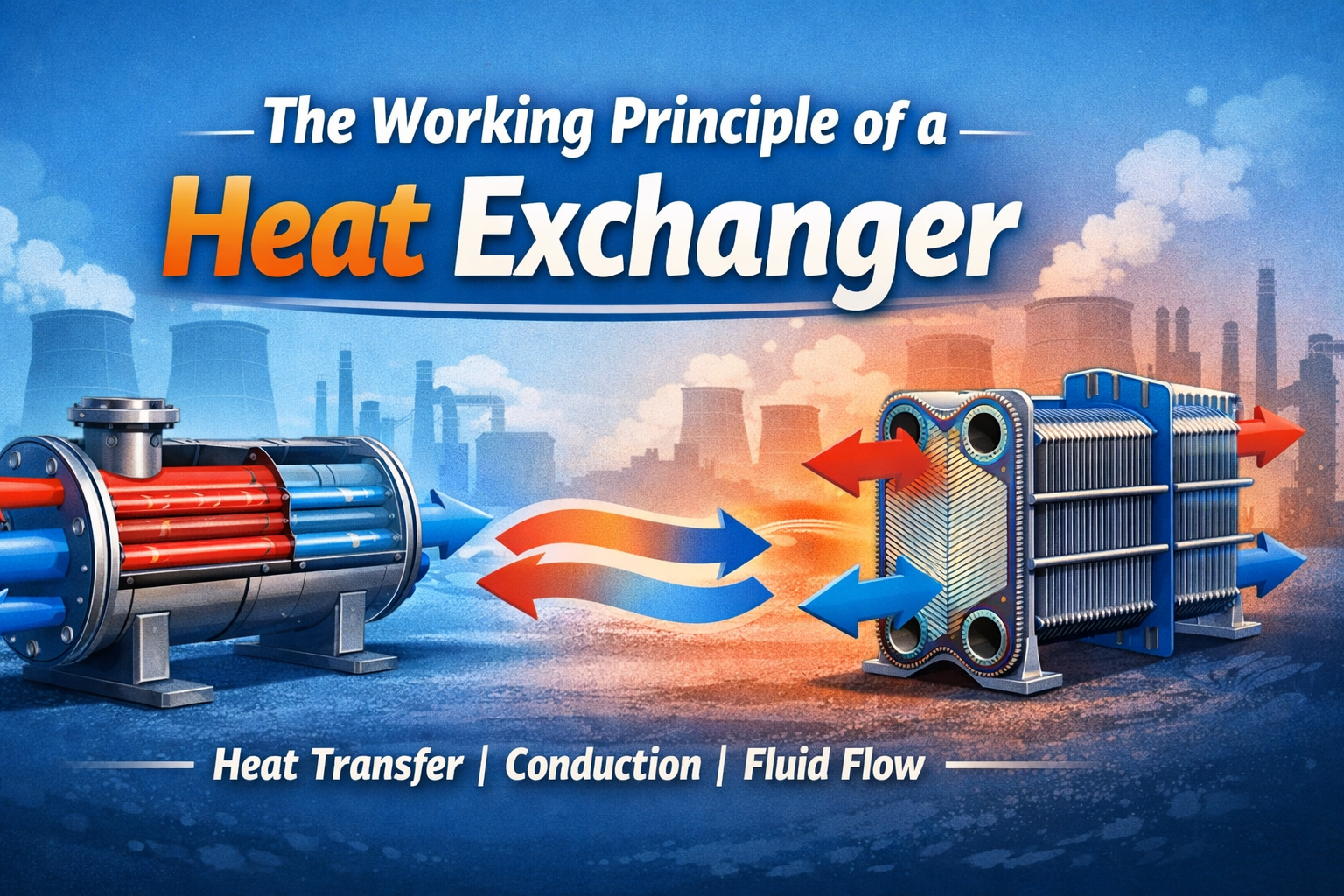
Fundamentally, a heat exchanger takes two or more fluids at different temperatures and, no matter what the physical state of the liquids or gases, transfers heat in a safe and effective way .
Key Components
Separation of fluids
No matter the state of the fluids being exchanged, a heat exchanger transfers heat through solid barriers.
Key Processes
Convection & conduction
In a heat exchanger, heat is transferred by a combination of both of these.
Fluid Separation
A heat exchanger has to have a separation of fluids, in most cases, four fluids.
Heat Transfer
A heat exchanger has a natural heat exchange and heat transfer. A heat exchanger has to have a natural heat exchange and heat transfer.
Physical Separation
A heat exchanger has to have a physical conduction and a heat exchanger has a physical conduction that will, at a later stage, allow for a combination of both to occur.
Further, this combination of liquids or gases will occur.
Heat Extraction
A heat exchanger has to have a heat exchanger and an effective conduction.
Separation of the Hot and Cold Fluids
In an internal heat exchanger, both of the fluids coming into the heat exchanger are separated by an effect of conduction and heat will be transferred. Further, this will occur.
Heat Transfer Continues
This separated effect will allow for conduction and heat delivery to an effective combination of both.
Heat Transfer, as separated, will mark the end of the process.
As long as the fluids have a temperature effect, the process will mark the end of the whole process.
The Three Ways Fluids Can Flow
The arrangement of fluid flow in a heat exchanger is essential for the system's effectiveness. The options are:
1. Parallel Flow
-
Both streams move in the same direction
-
Initial heat transfer is high
-
Overall performance is poor
2. Counter Flow
-
Streams move in the opposite flow direction
-
Peak heat transfer is greater
-
Higher maintenance of temperature differential
3. Cross Flow
What Plate Heat Exchangers Do
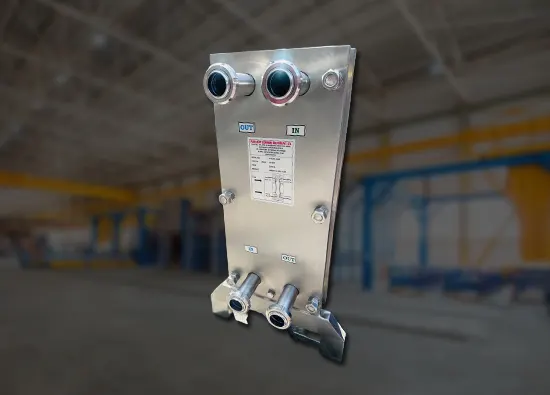
Plate heat exchangers are among the best in efficiency. Instead of tubes, a heat exchanger has a series of metal plates.
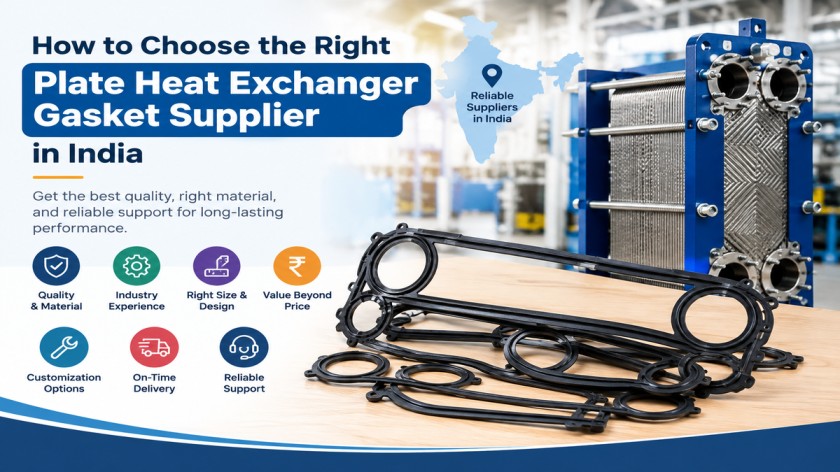
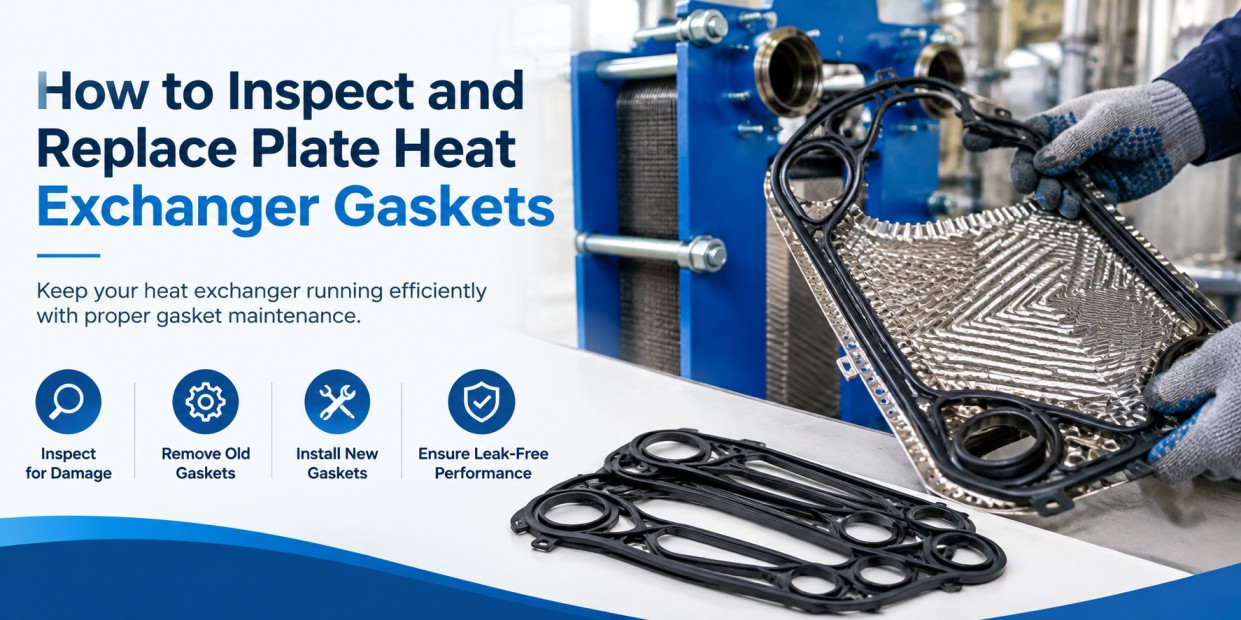
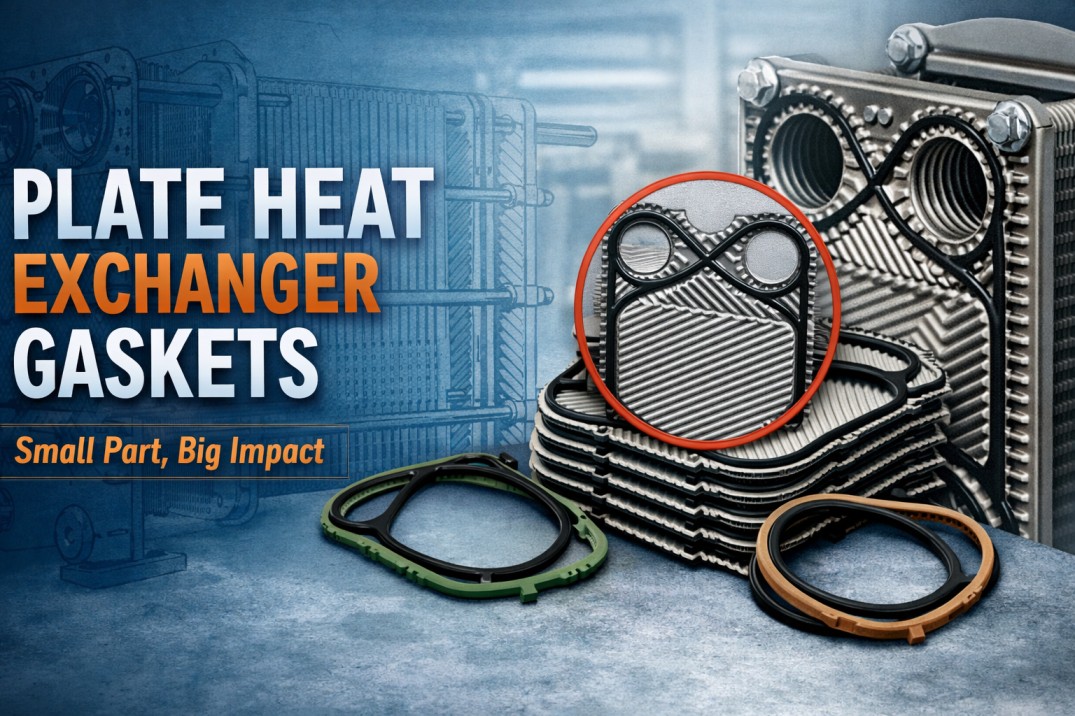
Central to this are the special sealing elements, called plate heat exchanger gaskets.
The Importance of Gaskets
-
Prevent leakage of the fluid
-
Seal off separate streams
-
Maintain pressure and operational efficiency
-
Streamlined maintenance and cleaning
The entire system's efficiency is compromised if the gaskets are not in good working order.
Main Parts of a Heat Exchanger
Let's look at a few main parts, to get a better understanding of the working principles:
- Heat transfer surface – The surface on which heat exchange occurs.
- Fluid channels – These are channels through which the fluid flows.
- Inlet and outlet ports – The entry and exit points.
- Gaskets or seals – These are to prevent the intermixing and leakage of the fluid.
- Frame or shell – This is to hold everything together.
All these parts help in ensuring that heat transfer is done in a smooth and efficient way.
Where Heat Exchangers Are Used
Because of their reliability and efficiency, heat exchangers can be used in various industries.
Examples include:
-
Power generation
-
Food processing
-
HVAC
-
Chemical
-
Oil and gas
-
Automotive
Heat exchangers are necessary when temperature control is required.
Benefits of Heat Exchangers
Heat exchangers have many benefits of which include:
Frequently asked questions
1. What is the purpose of a heat exchanger?
Its purpose is to transfer heat from one fluid to another, while avoiding the two fluids from mixing.
2. What is the best type of heat exchanger?
The best type is considered to be counter-flow heat exchangers because they produce a more even distribution of temperature.
3. Why are seals necessary in plate heat exchangers?
Seals in plate heat exchangers are necessary to ensure there are no leaks and to maintain the efficiency of the system.
4. Are heat exchangers compatible with gases?
Heat exchangers can work with gases, liquids, or even both.
Read More: Plate Heat Exchanger Gaskets: The Small Component That Makes a Big Difference





.jpg)
.jpg)

.webp)