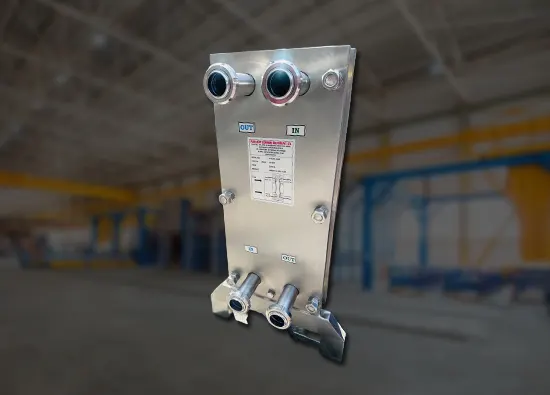
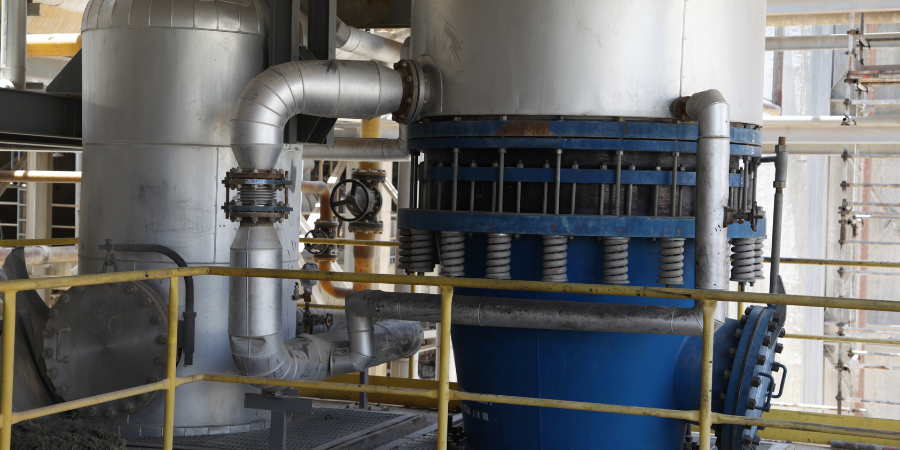
Plate Heat Exchanger Gaskets: The Small Component That Makes a Big Difference
When thinking about heat exchangers, most people think about huge machines, shiny plates and heavy-duty systems. However, one of the most surprising truths is that one of the smallest components actually plays one of the biggest roles. Plate heat exchanger gaskets quietly hold everything together. Regardless of how sophisticated the systems look, without gaskets, the complete system fails.
Have you ever experienced leaks, pressure loss or a decrease in efficiency? If so, it’s probably the gaskets. This is why knowing about plate heat exchanger gaskets is more than useful, it’s necessary.
Let's explain it in a simple, practical and human way.
What Are Plate Heat Exchanger Gaskets?
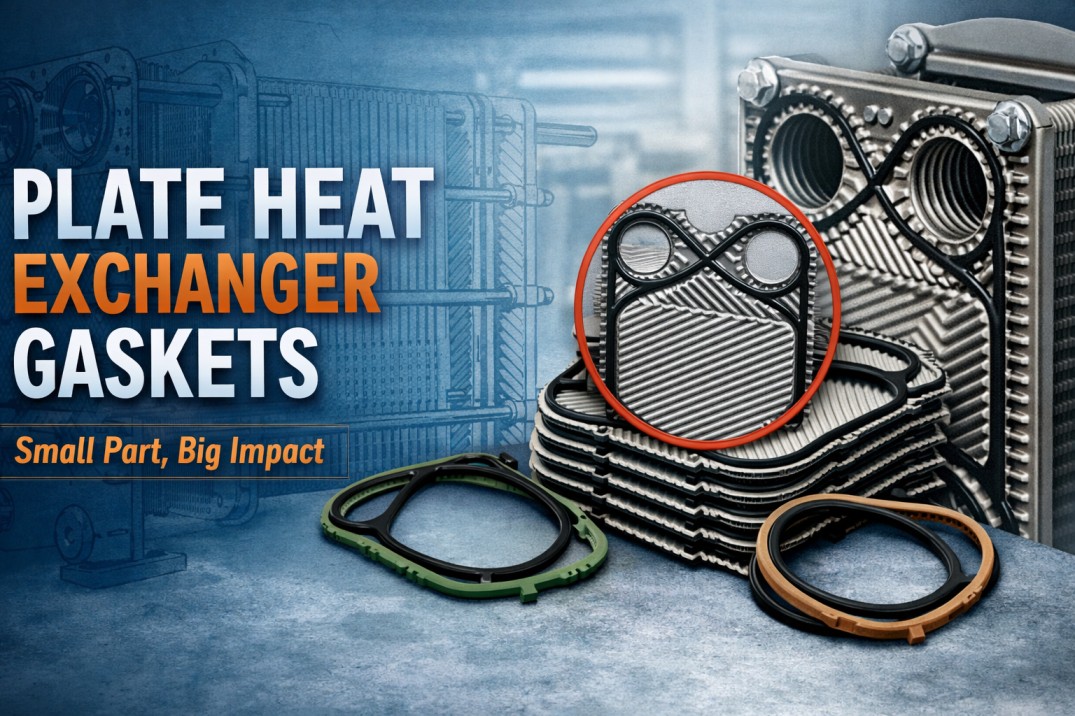
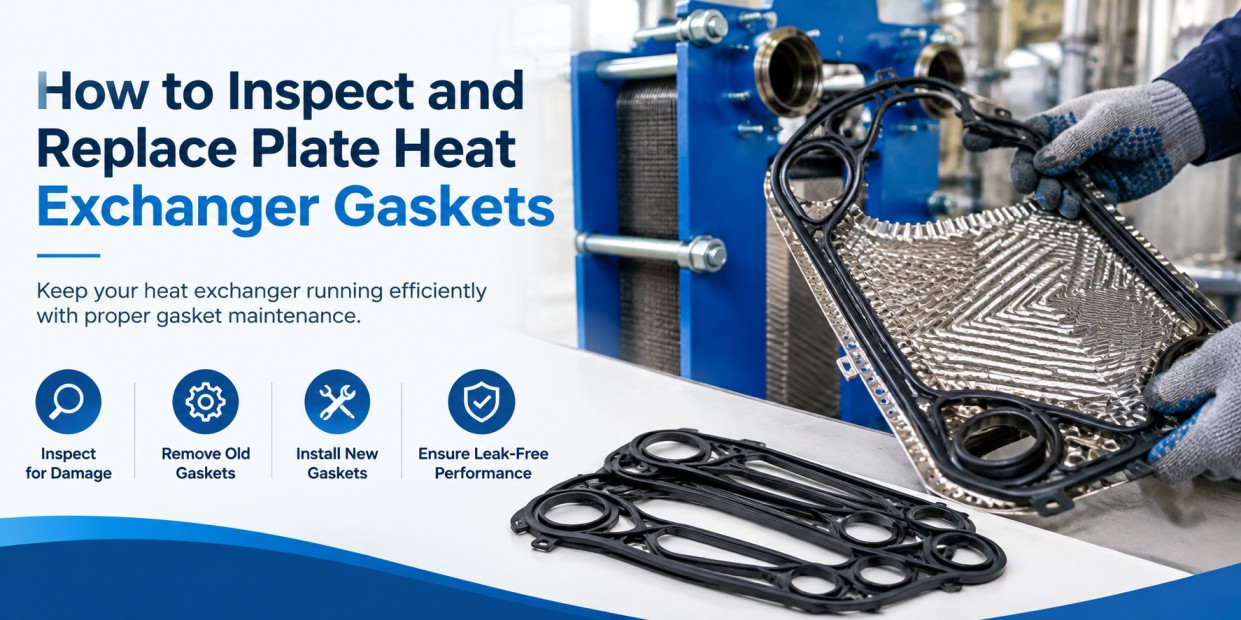
In the heat exchanger, plate heat exchanger gaskets are sealing components that are located between the plates. Their primary job is to stop the fluid from leaking and to direct the flow of liquid into the right channels.
Picture a system’s traffic controllers. They direct the flow of fluids and prevent mixing when and where it shouldn’t happen.
Even the most sophisticated heat exchanger design becomes ineffective without good gaskets. Pressure drops. Efficiency suffers. Maintenance costs increase. Performance becomes a guessing game.
Now you know why gaskets aren’t appreciated enough.
Why Gaskets Matter More Than You Think
On the surface, gaskets may look like simple rubber frames, but it’s far from the truth when it comes to the functions it controls.
They: Create a tight seal between the plates Prevent cross-contamination Balance pressure Thermally insulate Extend the system’s useful life
Eventually, gaskets fail. When they do, the system doesn’t just leak. It loses energy efficiency, safety, and reliability. Over time, this results in higher operating costs and more downtime.
Strong gaskets protect your investment.
Common Types of Plate Heat Exchanger Gaskets
Different systems need gaskets made of different materials. Selecting the right one can greatly improve performance and longevity.
NBR (Nitrile Rubber)
Optimal for oil-based fluids and general industrial applications. It has good flexibility and abrasion resistance.
EPDM (Ethylene Propylene Rubber)
Perfect for all water systems, steam, and food-grade applications. It ages very well and handles high temperatures bad.
Viton (FKM)
Excellent for all chemicals and aggressive fluids. It has great chemical resistance and a long life.
Each material serves a purpose. Choosing the wrong one can shorten the life of gaskets and increase the costs of maintenance and repairs.
Signs your gaskets need to be changed
Heat, pressure, and chemicals wear the gaskets down. They will warn you before they fail completely.
Visible leaks
Loss of pressure
Unwanted mixing of different fluids
Physical cracking and hardening
Loss of efficiency
These signs mean you should change the gaskets before causing more damage to the rest of the systems.
Advantages of Quality Gaskets
Quality gaskets improve the performance of the systems more than just adding to the operational safety.
More systems operational capacity
Less maintenance time
Better efficiency
Less risk of contamination
More systems operational life
Quality gaskets protect safety, performance, and production flow, and they help systems operate more efficiently at a lower cost.
Installation of a Gasket
Even the highest quality gaskets are rendered useless if they are installed incorrectly. It's important that the gasket is aligned appropriately. The surfaces need to be clean. The gasket needs to be compressed to the right level.
A gasket that is installed properly will create an even seal across the plates. This will improve the performance of the gasket and lower the stress. Bad installation will lead to a loss of performance and create the potential for leaks because of uneven pressure.
The performance of the gasket and the quality of the gasket should be treated in the same light.
How to choose the right gasket for your system
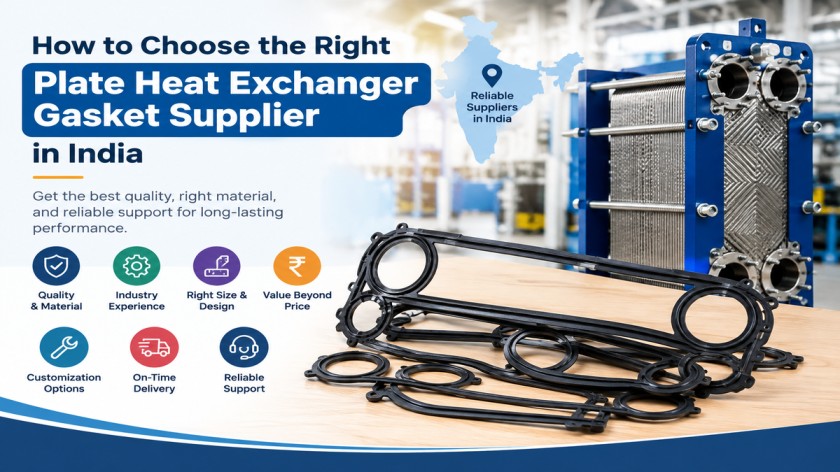
Choosing a gasket should be fairly simple. Consider these factors: The operating temperature The type of fluid present The exposure to chemicals The pressure The environment the application is in.
Final Thoughts: Small Part, Massive Impact
While simple, gaskets for plate heat exchangers serve vital roles. They protect performance. They maintain efficiency. They prevent system failure. Most importantly, they keep your entire operation running smoothly.
In many ways, gaskets are the unsung heroes of heat transfer systems. They do not receive attention, but the system is dependent on them.
If you want reliable performance, reduced maintenance, and sustained efficiency, do not underestimate the quality of your gaskets. Sometimes, the smallest parts carry the greatest responsibility.
In the realm of heat exchangers, that is especially true.




.jpg)
.jpg)

.webp)