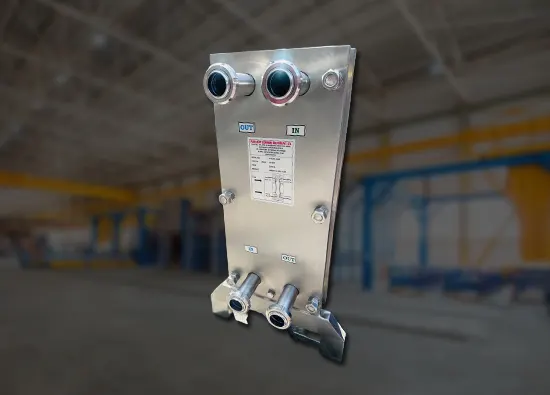
Plate Heat Exchanger Gaskets: A Practical Guide for Efficient Industrial Performance
Introduction
Every industrial system runs the risk of downtime and expensive repairs from even the most minor leakage in their systems. Plate heat exchanger gaskets are extremely important for this. These simple but extremely important parts keep systems efficient and help everything run smoothly.
Understanding these gaskets can help avoid unnecessary faliures increase efficiency whether you're in charge of a processing plant or doing maintenance.
What are gaskets in plate heat exchangers?
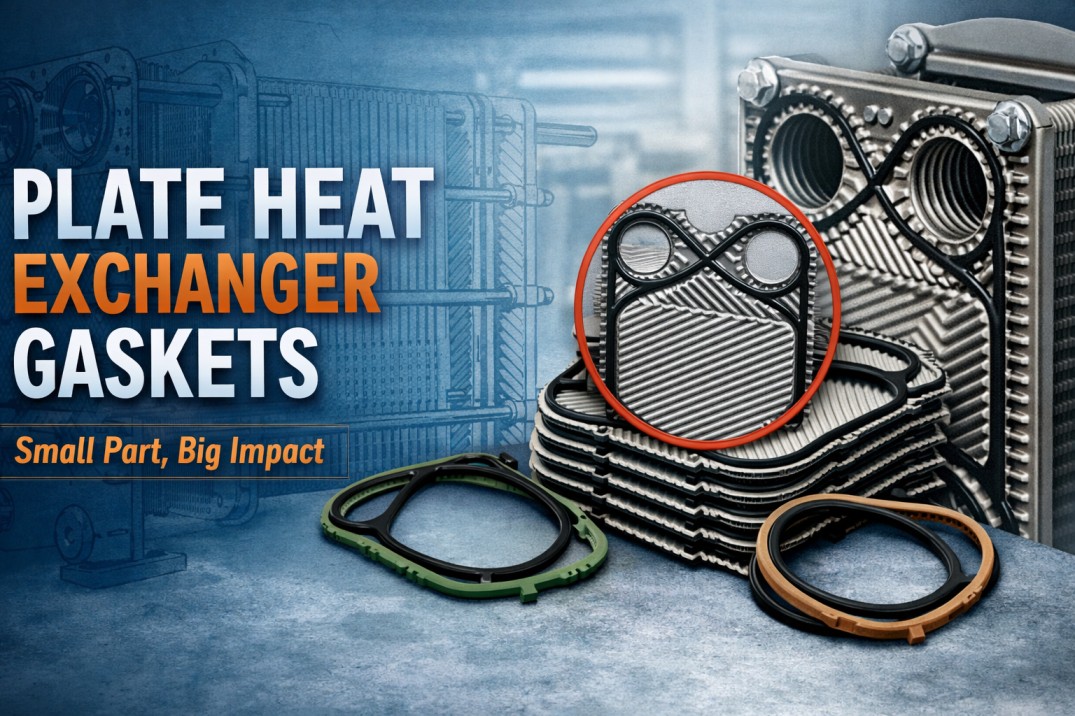
Gaskets in plate heat exchangers are sealing elements placed between the plates of a heat exchanger gasket. Their main purpose is to prevent fluid leakage and control the fluid pathways.
Typically, heat exchanger gaskets are made of durable elastomer materials that can endure the high temperature and pressure conditions within the heat exchanger.
Primary Functions
-
Prevent fluid mixing
-
Provide complete sealing between plates
-
Control fluid flow to specific channels
-
Enhance heat transfer efficiency
Gaskets in heat exchangers
Every industrial application comes with different requirements, and each of these requirements is met with different materials for gaskets. Selecting the most effective and appropriate material for the gasket is extremely important for the longevity and operational efficiency of the gasket.
Common Types:
-
Nitrile Rubber (NBR): Best for oil and grease
-
EPDM (Ethylene Propylene Diene Monomer): Best for water and steam
-
Viton (FKM): Best for high temperature and chemicals
Many factors are evaluated for selection.
Importance Of PHE Gaskets In Performance
A heat exchanger must have properly installed gaskets to seal the system and keep the system at peak performance.
Quality Gaskets Lead To:
-
Higher thermal performance
-
Lower maintenance expense
-
Extended life of equipment
-
Greater safety and reliability
Worn out gaskets can lead to leaks, contamination, and the system can fail.
The Gaskets Are Telling You Something
Gaskets do degrade and that is perfectly normal. The heat, pressure, and chemical will all contribute to the wearing of the gaskets. If you can notice warning signs, you have the ability to save time and money.
Look Out For:
Gaskets are one of the most important pieces of the heat exchanger. If you see any of the signs, you have to change the gaskets.
Best Practices
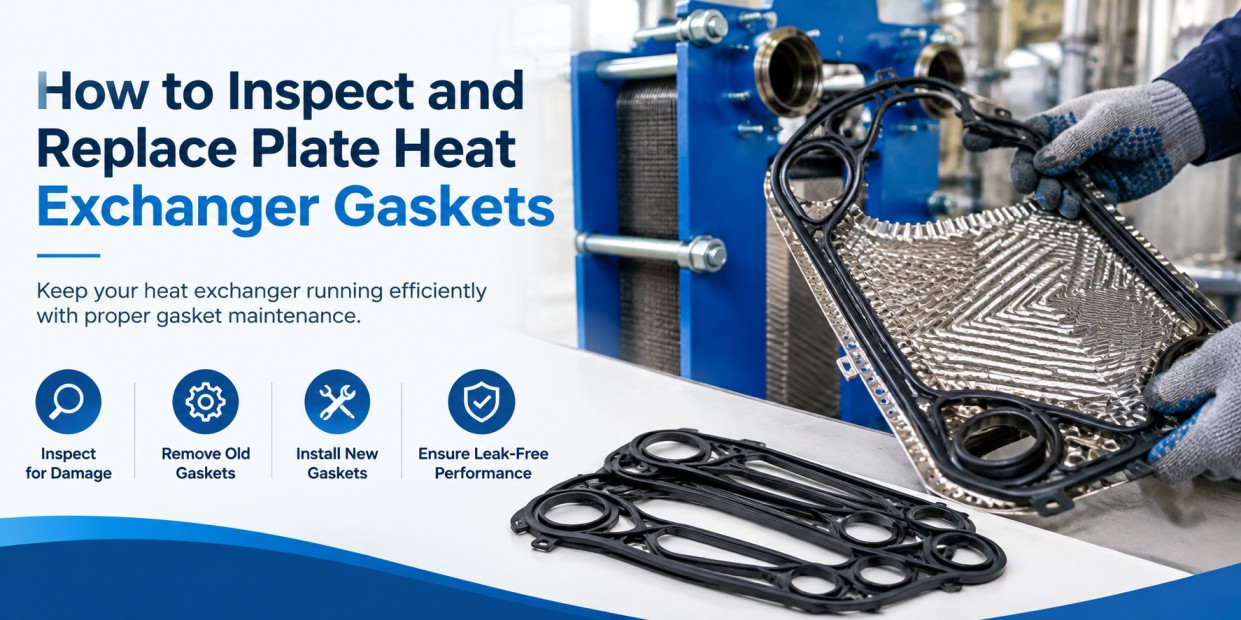
If you properly handle and maintain the gaskets, you can possilby extend the life of the gaskets.
Recommended Procedures:
-
Clean surfaces of the plates before installing them.
-
Ensure gaskets are aligned correctly.
-
Do not over tighten the plates.
-
Check for wear and damage regularly.
Scheduled maintenance helps avoid sudden failure of the system and keeps the operation of the system at optimal performance.
Selecting an Appropriate Gasket Supplier
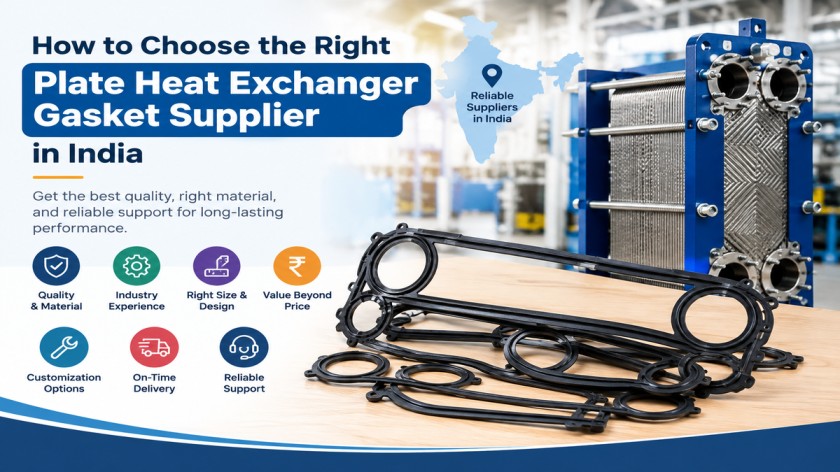
Different gaskets have different qualities, which is why working with an appropriate supplier means being assured of constant quality and performance.
Guidelines to use:
-
Raw materials of high quality
-
Accurate production
-
Certification of the materials for their use
-
Availability of technical support
A supplier with a good reputation will provide assistance in choosing the appropriate gasket for a particular area of use.
Final Remarks
Gaskets of the plate heat exchangers are small components, but they are big contributors, and their contributions are very beneficial to the system. Gaskets from heat plate exchangers are very helpful when it comes to stopping leaks, and they assist in keeping systems running in an effective manner, especially in the industrial sectors.
Effective choice of material and monitoring of the gaskets for wear and effective practice of maintenance added to the previous will guarantee effective operation of the system and it will provide the system with the needed reliability over a long period.
Commonly Asked Question
1. What is the useful life of high exchanger gaskets?
They have a useful life of 3 – 5 years, but it is dependent on the conditions of operation, temperature, and also the maintenance practices.
2. Is it possible to use gaskets that have been removed?
No. Gaskets that have been removed should not be used. This is because using them would give rise to failure of the seals and also provide opportunities for leaks.
3. Why do gaskets fail?
Some frequent causes are high temperature, chemicals, bad installation, and time.
4. What considerations should I make when selecting a gasket material?
Consider things like temperature, pressure, and type of fluid in your system when selecting a material.
Read More: How Plate Heat Exchanger Gaskets Work in Industrial Applications



.jpg)

.jpg)

.webp)