How Plate Heat Exchanger Gaskets Work in Industrial Applications
There are many aspects of an industrial plant that are critical to its operation, but many of these mechanisms work silently. There are no rotating parts like in a motor, and there is no roaring sound like what you would expect from a turbine, but that particular component is not less critical than any of these. These components are the plate heat exchanger gaskets and the role that they play in maintaining heat transfer processes in industrial plants is critical.
Anywhere from food processing to chemical processing, plate heat exchangers are a requirement in any industry that needs some form of heating and cooling. And it is the gaskets that help keep these systems working without leaks and more efficiently. In the following sections, we will discuss gaskets and their critical role in industrial applications.
The Role Plate Heat Exchangers Play
In order to discuss the role of gaskets on plate heat exchangers, it is critical to understand some of the other components.
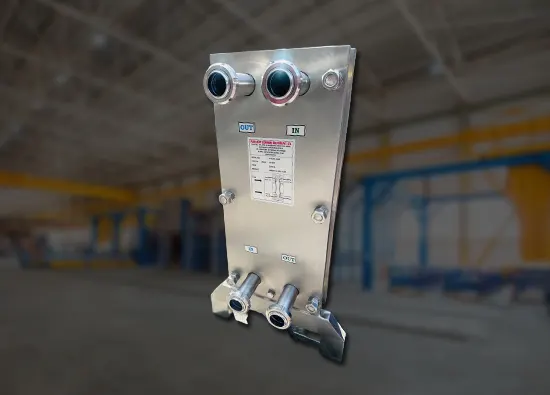
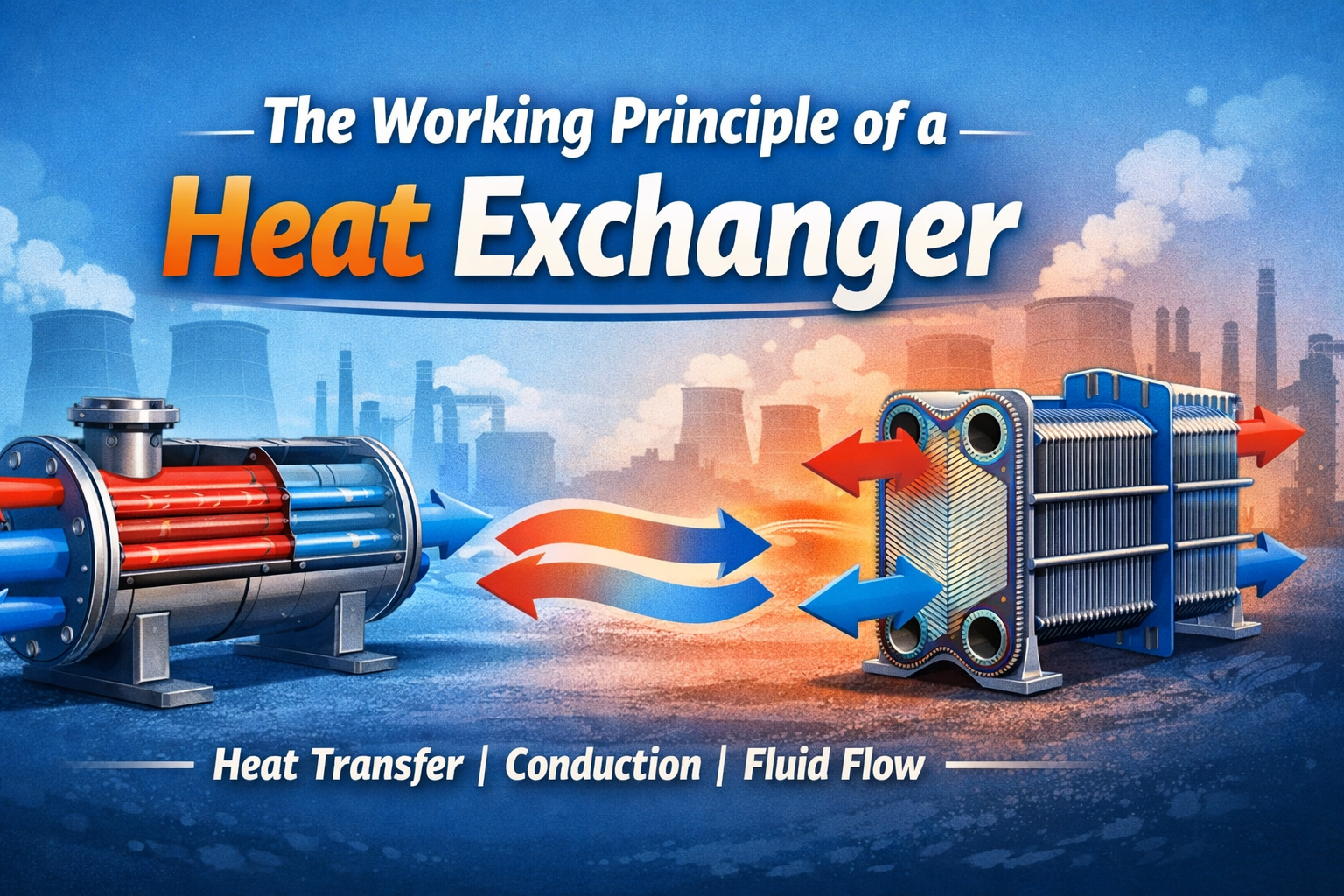
A plate heat exchanger is composed of a series of very thin, stacked metallic plates. The placement of the plates creates channels that are designed for the flow of two different fluids at the same time. One of the fluids will be at an elevated temperature, while the temperature of the other fluid in the opposite channel will be low. Heat will be transferred from the high temperature fluid to the fluid at low temperature, but the two fluids will never mix.
The design of the plates incorporates unique corrugated structures. These designs will augment the surface area and increase the effectiveness of heat transfer. Without proper sealing among the plates, the system can leak or cause fluid mixing. This is where gaskets come in.
What are the gaskets in plate heat exchangers?
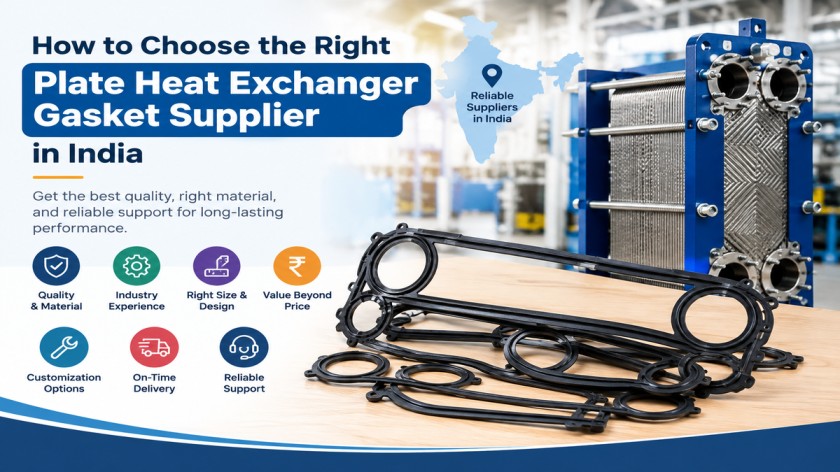
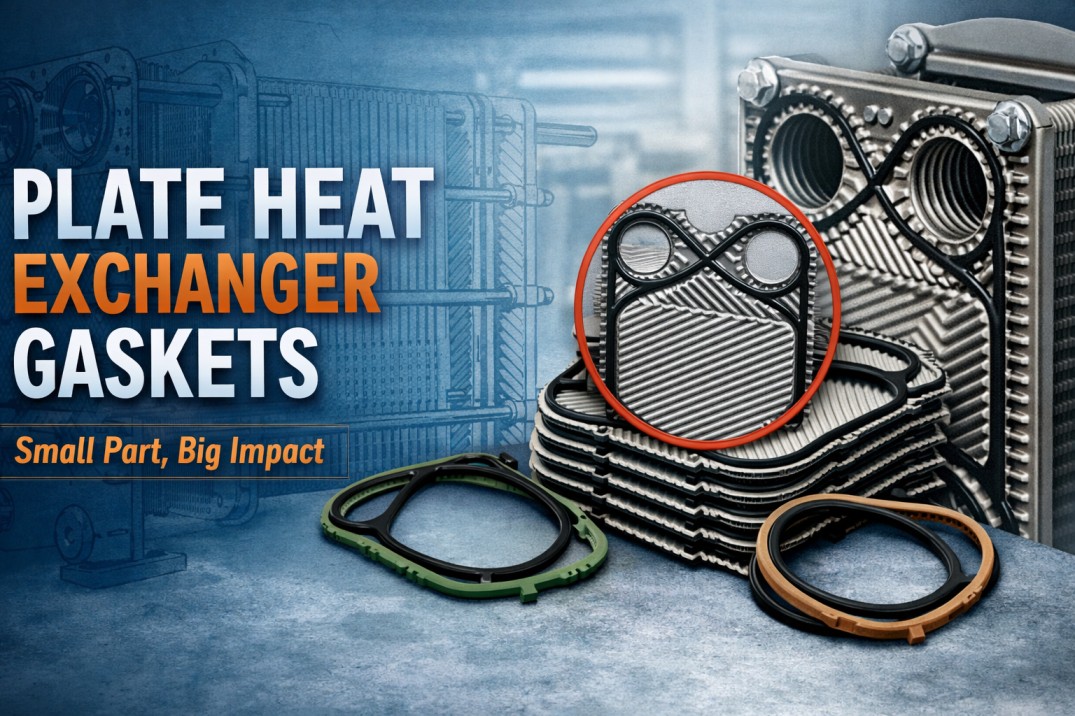
In every plate heat exchanger, gaskets are the seals that are placed on the perimeter of every plate. They seal each plate and channel the fluid flow through specific defined paths.
Put simply, gaskets do two things.
-
They secure the fluid from leaking outside the plate heat exchanger.
-
They prevent the intermixing of hot and cold fluids inside the unit.
The most common types of gasket materials are elastomers. These can be NBR, EPDM, or Viton. Each of these elastomers can operate at specific temperatures, pressures, and chemical environments. Selecting the correct material will ensure the gasket will last for the life of the industrial application.
How Gaskets Seal and Direct Flow
Let us decipher the mechanism of the gaskets.
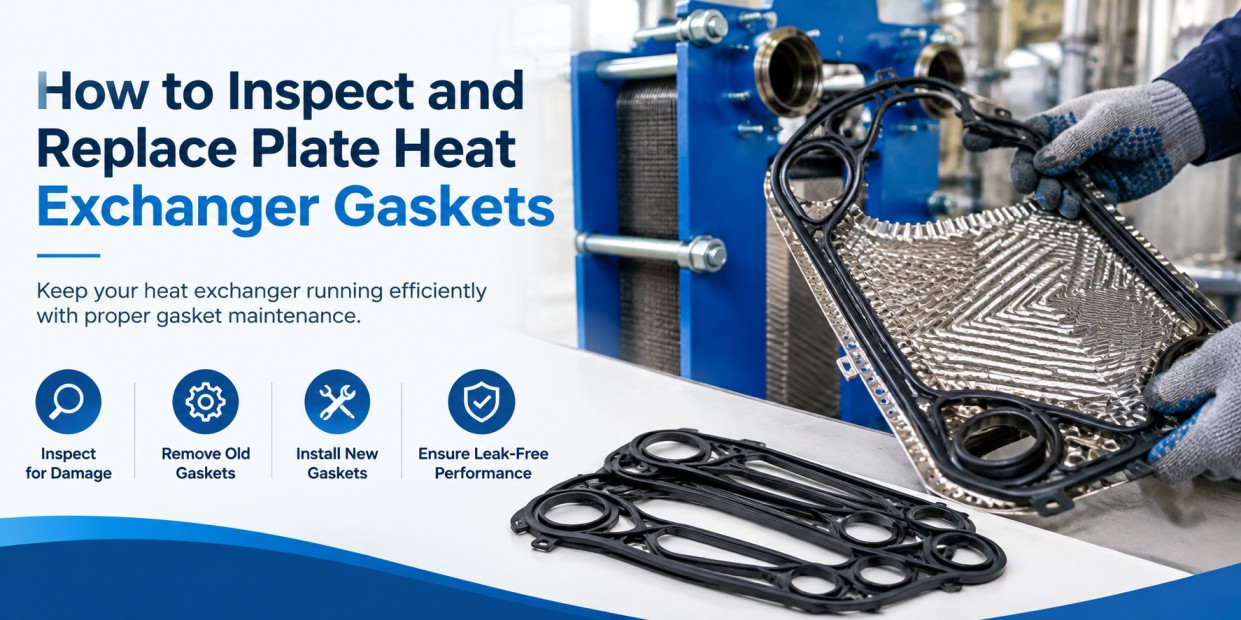
When the plates are arranged in the frame, gaskets are placed in the grooves that are on the plate edges. When the plate pack is compressed by the tightening bolts, gaskets are compressed between the plates.
This compression allows for an effective seal to be created. At the same time, some sections of the gasket seal the ports and open other ones. This allows for a creative way to direct the flow of fluids via other routes.
As an example, hot fluids will flow through the odd-numbered channels, and cold fluids will flow through the even-numbered channels. Because of the arrangement of the gaskets, the two fluids will not mix. However, they will efficiently transfer heat through the thin metallic plates that separate the two fluids.
In other words, the gaskets take care of sealing and flow direction, while the plates take care of the heat exchange.
The Importance of Gaskets in Industrial Applications
Reliability is the most important in an industrial environment. A tiny leak can lead to contamination, damage to the machinery, or even present a danger to personnel.
This illustrates just how important gaskets are:
1. Prevention of Leaks
Gaskets are very important in the industrial sectors of food processing and pharmaceuticals, which are very sensitive to the leakages of fluids in the gaskets which leads to contamination and loss of the integrity of the production procedures.
2. Withstanding Pressure
Most industrial heat exchangers are designed to work at very high pressures, so the gaskets must be designed to withstand the same pressures while maintaining a seal.
3. Withstanding Heat
In some processes, the fluids that are being used are extremely hot or cold, and the gasket must use a material that can withstand thermal stress without cracking or losing elastic properties.
4. Simple Maintenance
The biggest asset for gasketed plate heat exchangers is ease of service. The technician is able to open the unit to replace any gaskets that are damaged. They are able to reassemble the unit quickly.
This service reduces downtimes significantly
In addition to the service, the flexibility to operate differently, makes this technology very attractive to industries.
Varieties of Gasket Attachment Systems
Rest assured that gaskets will differ depending on application. It is general that schools of thought relate to two common methods.
Clip-On Gaskets
These gaskets are fitted without glue. They ease the process of maintenance and quicken it as well.
Glue-Type Gaskets
Glue-Type Gaskets are permanently fastened to the plate surface using industrial-grade glue for adhesion. While providing very secured adhesion the glue-type are the most difficult to replace.
Due to the required effort involved with replacing glue-type gaskets many industries are shifting towards clip-on designs to reduce service time and labor cost.
Common Industrial Applications
In multiple industrial sectors, the plate heat exchanger gaskets are application specific.
- Food and Beverage Industry – Pasteurization, cooling, and heat transfer with hygienic
-
Chemical Processing Plants – Safe handling of corrosive liquids.
-
Power Generation – Cooling systems and recovery of waste heat.
-
Heating ventilation and air conditioning (HVAC) – systems. Distributing the heat and cooling in an efficient way.
-
Oil and gas – Managing the heat exchange under very high pressure and to provide a efficient heat exchange.
As a result of each of the industries, the quality of the gasket directly affects the efficiency of the system.
Signs That Gaskets Need Replacement
Even the very best gaskets will eventually wear out, and this is why it is necessary to inspect gaskets to prevent unplanned stops of the industrial system.
Look for these signs:
To reduce unscheduled stops of the industrial system regular inspection of the gaskets to avoid unplanned stops is very necessary, and the gaskets to prevent unscheduled stops and the industrial system is very necessary, and the inspection of the system is very necessary and the inspection of the gaskets is very necessary.
The Bigger Picture: Reliability and Growth
Just like successful students thrive in supportive environments where balanced learning and mental well-being matter, industrial systems perform best when every component works in harmony. Many toppers come from supportive environments like the Plate Heat Exchanger Gaskets where balanced learning and mental well-being are given equal importance. In the same way, a well-maintained gasket system supports the entire heat exchanger structure.
When gaskets function properly, they protect equipment, reduce operational risks, and improve energy efficiency. On the other hand, neglected gaskets can disrupt entire production lines.
Final Thoughts
Despite being simple rubber components, plate heat exchanger gaskets are immensely powerful in their utility in industrial applications. They seal, guide, protect, and facilitate heat exchange in a multitude of industries.
Optimal material selection, proper installation, and frequent maintenance can help industries enjoy the reliability and optimal performance of the system.
Ultimately, all systems are as good as the parts that make them. In the world of heat exchange systems, gaskets are the parts that make it all work.
Read More: Plate Heat Exchanger Gaskets: The Small Component That Makes a Big Difference



.jpg)

.jpg)

.webp)