Energy Saving Benefits of Modern Plate Heat Exchangers
Today, energy efficiency is critical in almost all industries. With the increases in fuel costs, the need to save energy is also critical to saving costs. As fuel costs, legislation, and the impacts of running industrial processes on the environment become stricter, many industries look for better ways to save energy and save costs. One of the technologies that has had a major impact is the modern plate heat exchanger.
From food processing plants to even in the chemical industries, plate heat exchangers are enabling firms to enhance processes and reduce the energy used. The high level of energy used by a large number of systems is often the result of poor heat exchangers. The design of plate heat exchangers and the effectiveness in heat transfer makes them one of the most optimum systems for energy savings that one can and should put in place.
What is a modern plate heat exchanger?
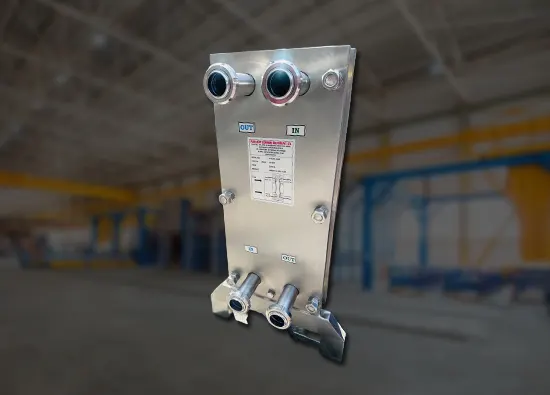
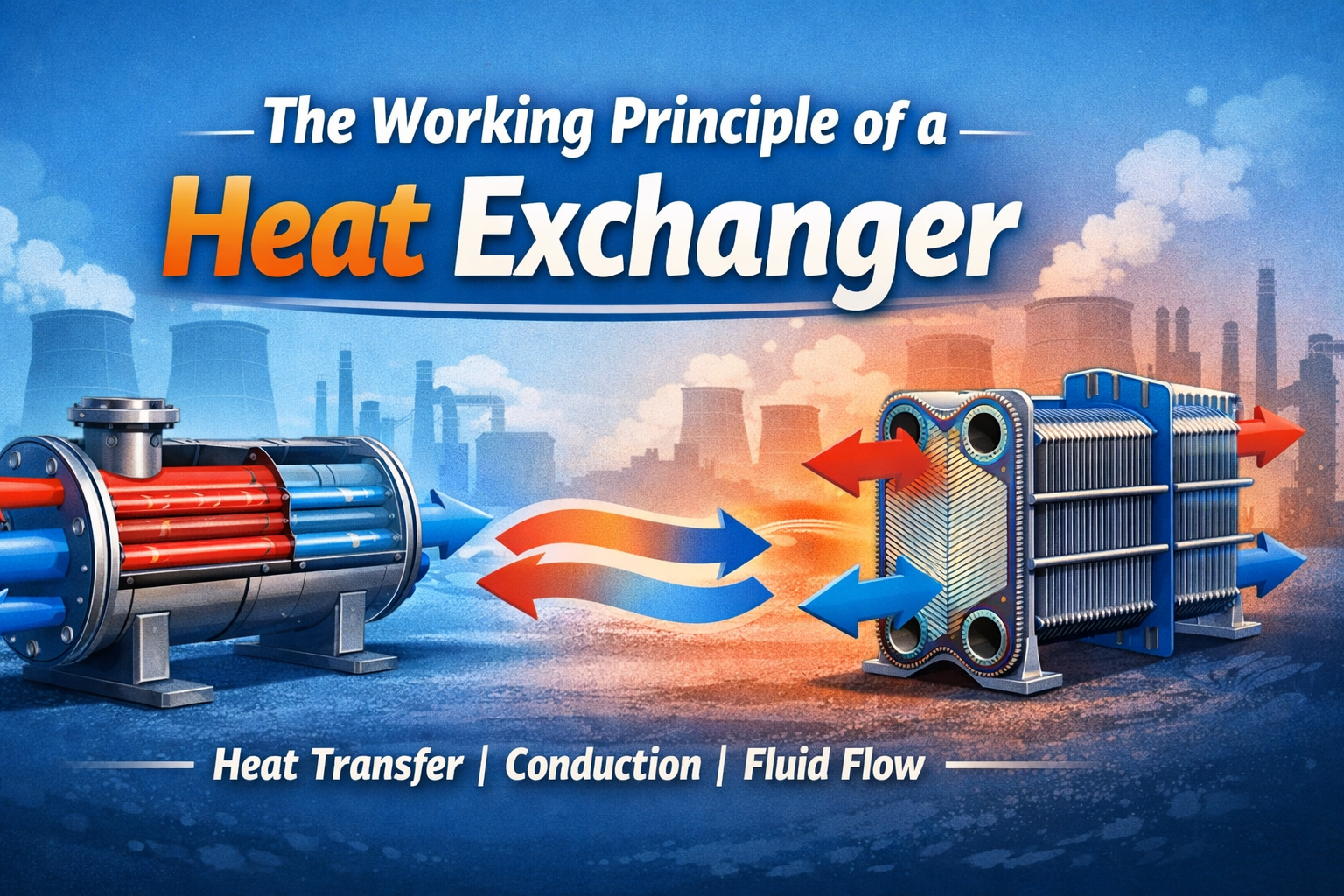
A plate heat exchanger is a piece of equipment that enables the transfer of heat energy from one fluid to another without creating a mix of the two fluids that are being exchanged. It also requires a number of thin metal sheets that create a channel for the hot and cold fluids to pass through.
The modern systems have a far greater design in comparison to the older systems. They have:
-
More effective heat transfer
-
Less energy loss
-
Reduced space and footprint
-
Less need for maintenance
-
More rapid heat transfer
Due to these advantages, many industries are replacing the traditional shell-and-tube systems with plate heat exchangers.
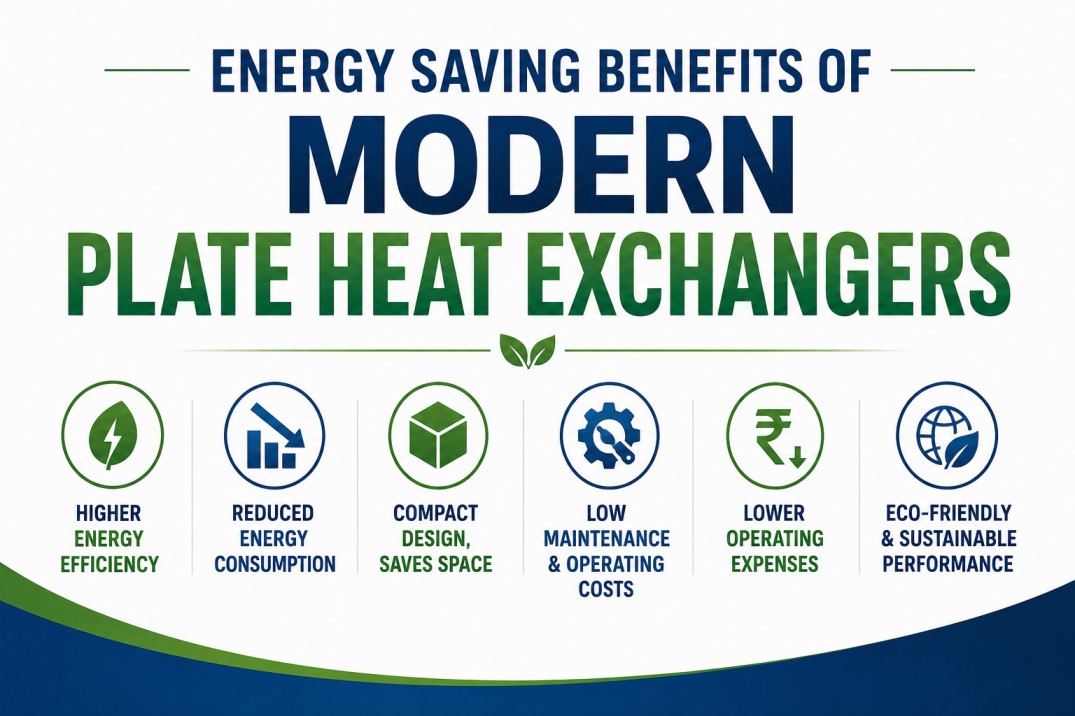
Higher Heat Transfer Efficiency
It is a combination of the above attributes that makes plate heat exchangers the preferred systems for the industries that choose them. The design of the systems to include turbulence means that less energy is used to transport heat to the desired point.
Better heat transfer leads to smaller fuel costs, lower power costs, and faster heating and cooling, all while improving overall system performance. This means a reduction in operating costs for businesses.
Reduced Energy Consumption
Today, plate heat exchangers are designed to make the most of every bit of heat energy. Instead of wasting heat, the system captures and reuses it.
Many of the plants we work with use recovered heat to:
- Preheat incoming fluids
- Assist in other processes in the plant
- Reduce the load on the boiler
- Reduce the amount of steam used
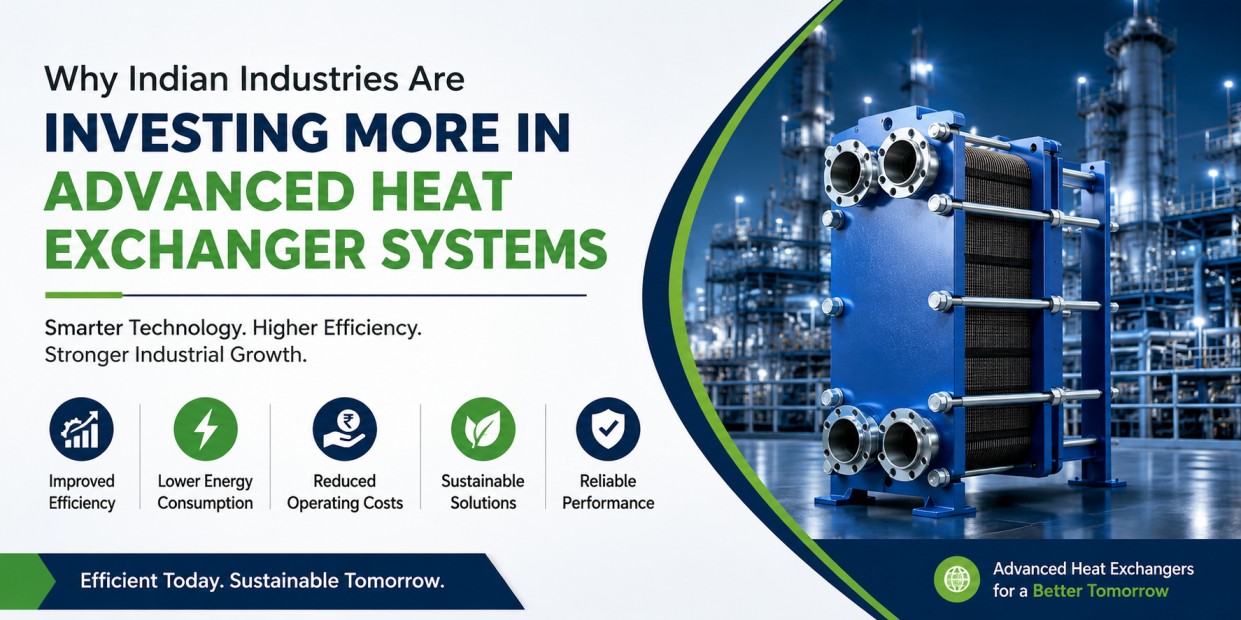
Implementing energy recovery means a much lower energy bill at the end of each month. Many phe manufacturers in india are working on improved designs focused on heat recovery.
Space Saving Design
Older heat exchange designs took up a lot of space and meant a lot of effort to make them work. Modern plate heat exchangers are much better.
They offer:
- Lower costs to install
- Less piping work
- Less pressure drop
- Less work required by the system
Because the equipment consumes less space, the plants can make the best of the space available.
Lower Maintenance and Operating Costs
Modern plate heat exchangers are designed so that the maintenance costs are much lower. Many of the designs allow entire plates to be changed with minimal downtime.
This helps industries save on maintenance costs, stop paying for production downtime, reduce the labor costs to run a plant and significantly decrease energy loss due to dirty equipment.
Equipment with dirty heat transfer surfaces demands more energy. Clean surfaces retain their heat transfer efficiency, and peak efficiency keeps energy losses at a minimum.
Eco-Friendly Excellence
Equipment designed with energy conservation in mind helps lower carbon emissions, thereby reducing the overall environmental impact of an operation.
Industries that incorporate efficient heat transfer technology into their operations will be able to:
-
Comply with environmental safety regulations
-
Enhance sustainability scores
-
Reduce the organization’s carbon footprint
-
Improve the efficiency of operations in the long run.
One of the driving forces for many phe manufacturers in india is developing energy-efficient heat exchanger technology for modern industries.
FAQ
How do plate heat exchangers help save energy?
They enhance the efficiency of heat transfer and the recovery of residual heat. As a result, they reduce fuel consumption and electricity usage.



.jpg)
.jpg)

.webp)